Call 844-205-9446

Florida homeowners · Palmetto bugs & roaches

Roaches in your Florida home?

Call to talk through what you’re seeing and connect with an independent local pest provider.

Call 844-205-9446

Homeowners — call to discuss treatment options.

  • One call, no forms
  • Independent local providers
  • German & American cockroaches
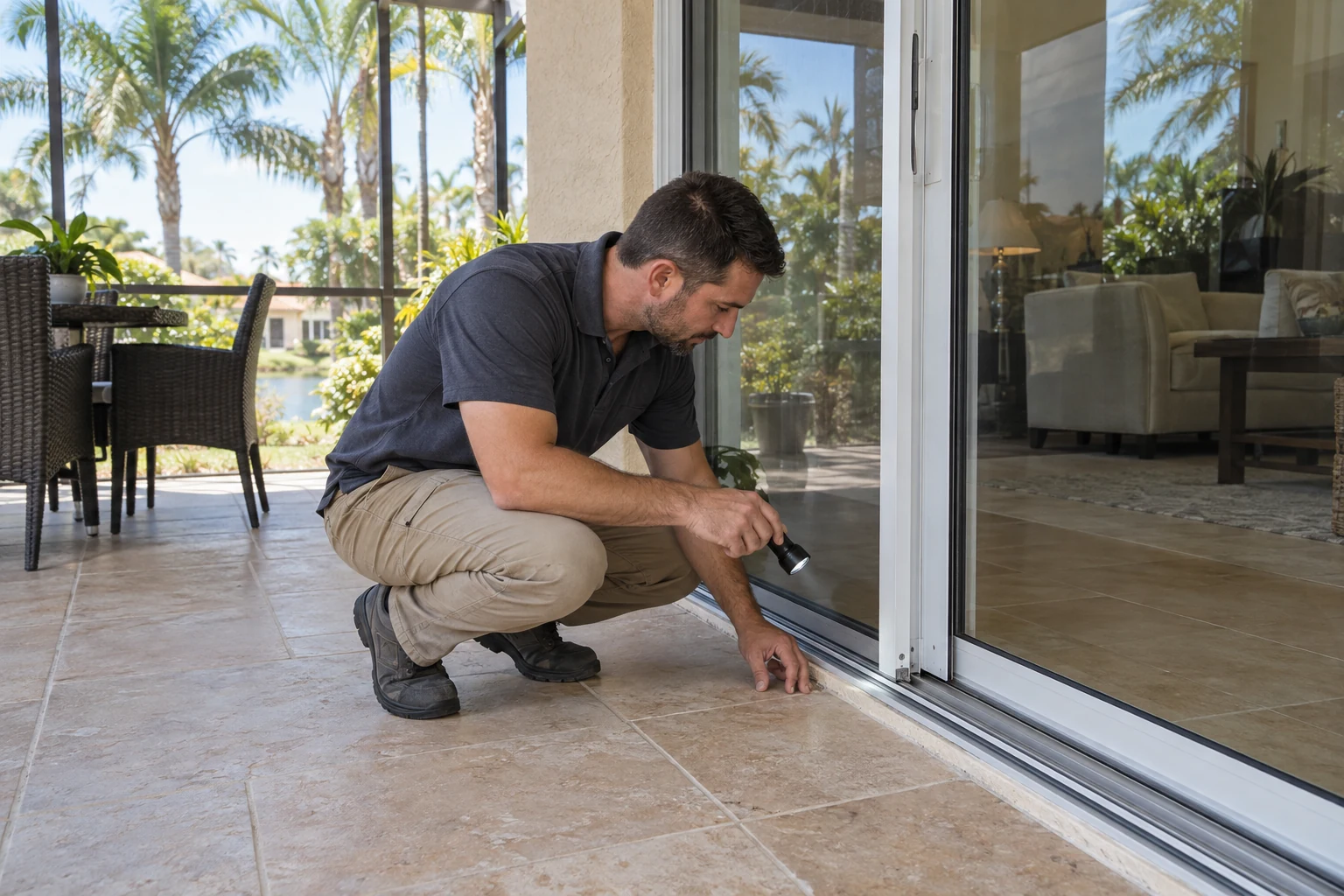
Pest control professional inspecting a Florida sliding-door entry beside a screened lanai

Start with what you see

Signs worth discussing with a professional

Repeated sightings, specks around cabinets, egg cases or an unfamiliar musty odor can help describe the problem. You do not need to identify the species before calling. Mention whether activity is indoors, around a lanai or near the garage after wet weather.

What happens when you call

  1. 1

    Make the call

    Describe the roaches you have seen in your home.

  2. 2

    A few questions

    Share your ZIP code and the new service you are seeking.

  3. 3

    Connect with a provider

    Discuss your situation with an independent provider where coverage is available.

  4. 4

    Talk through options

    Ask about inspection, pricing and appointments, then decide what fits.

Room by room

Where cockroaches hide in your home

Florida homes have indoor hiding places and outdoor-to-indoor boundaries. Describe both; the pattern matters more than the nickname you use for the roach.

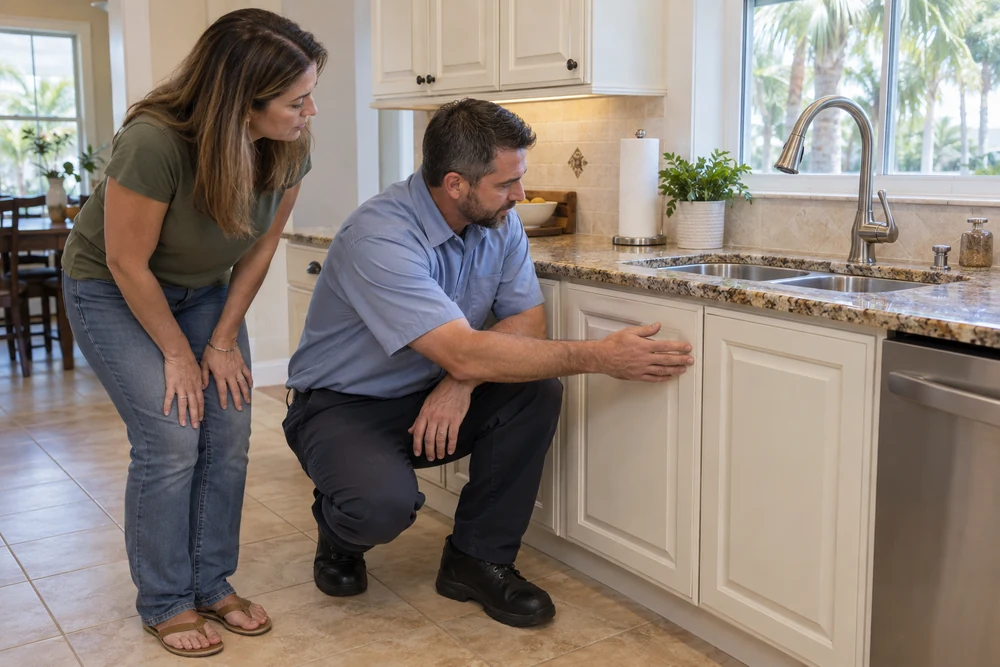
Pest control professional discussing kitchen cockroach activity with a homeowner in a Florida home

Kitchen cabinets & appliances

Small roaches can tuck into cabinet hinges, under the sink and behind the refrigerator or stove. Tile floors do not remove those hiding places. Note which cabinets are involved and whether you see activity after dark or during the day.

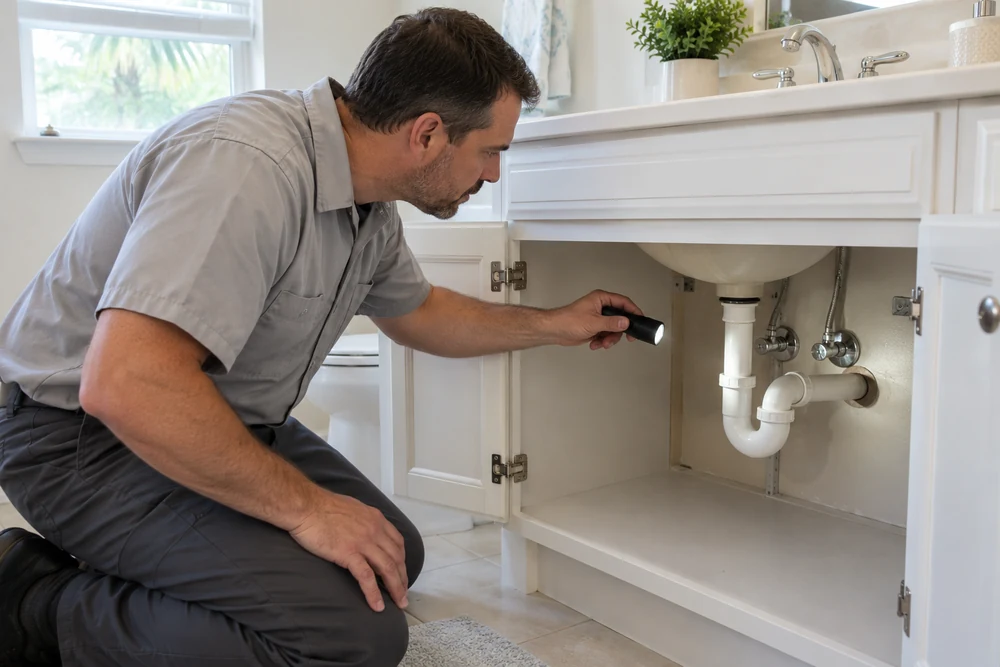
Pest control professional inspecting plumbing beneath a Florida bathroom vanity

Bathroom drains & vanities

Water and sheltered gaps around pipes can attract activity beneath a vanity or near a drain. Tell the provider about drips, damp cabinets and sightings in more than one bathroom. The inspection can help distinguish a plumbing-area hiding place from another entry route.

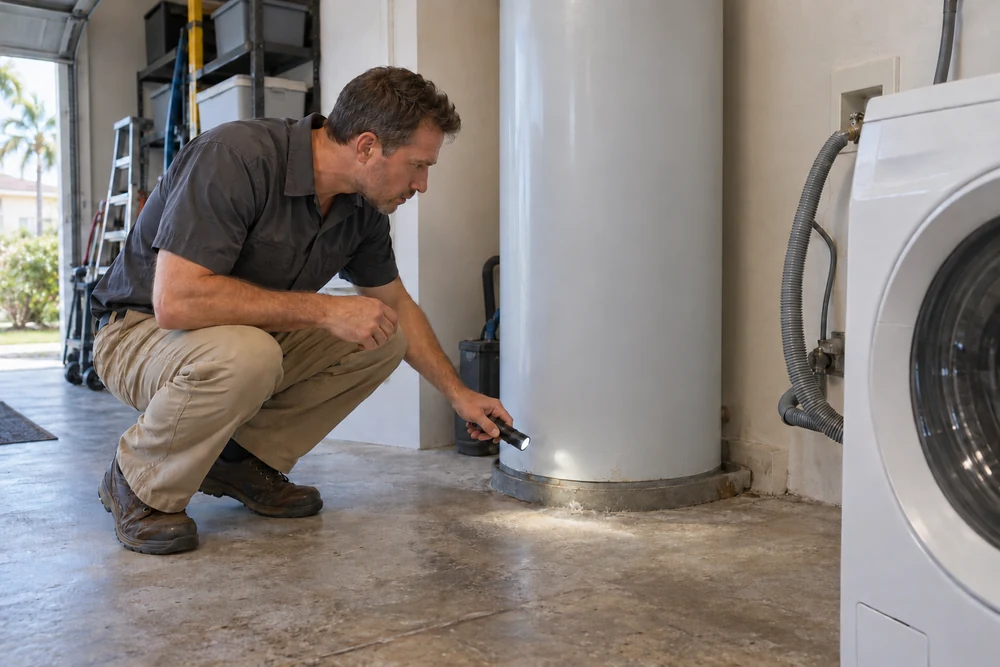
Pest control professional inspecting a Florida garage near a water heater and laundry area

Garage & laundry areas

A garage connects outdoor conditions with indoor storage. Water heaters, laundry plumbing, boxes and door edges deserve attention. Mention whether roaches stay near the garage or are also appearing in living spaces; that pattern can help guide the provider’s questions.

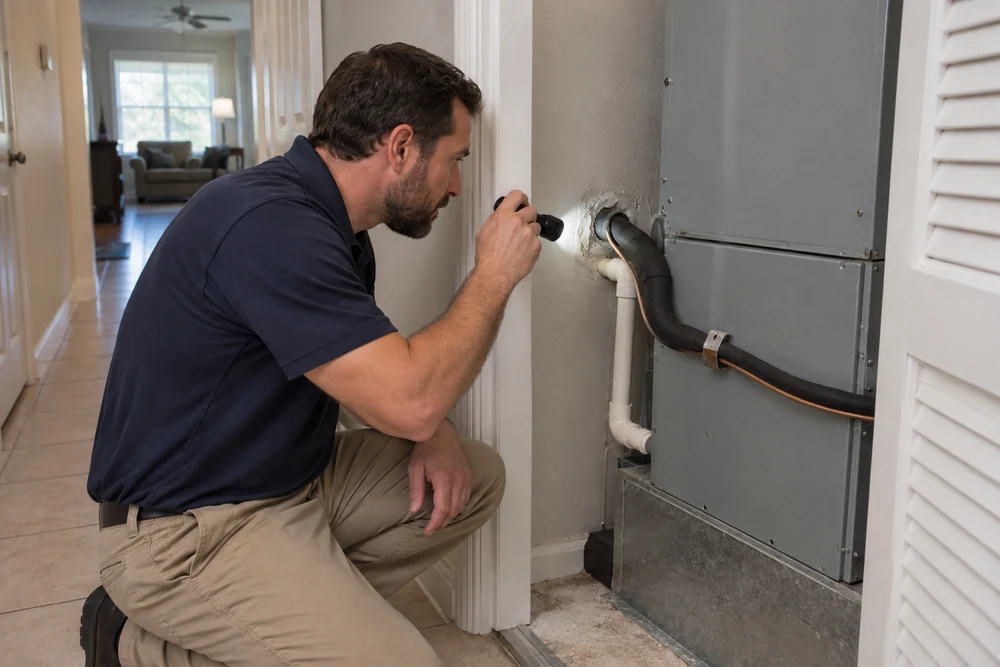
Pest control professional checking an AC-line entry in a Florida home

AC closets & sliding doors

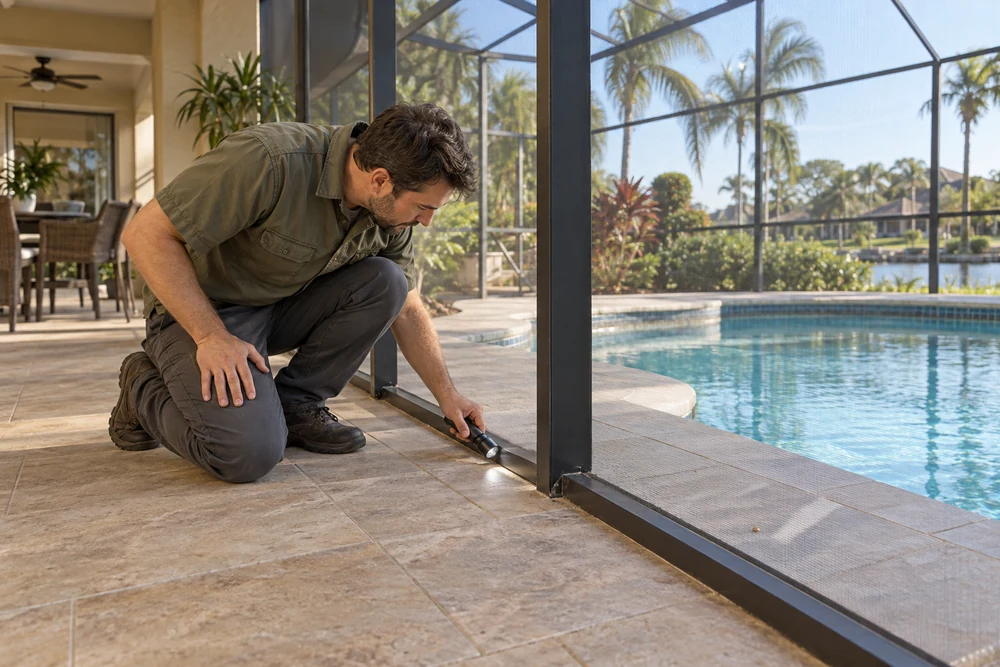
An AC closet, line entry and gaps near sliding doors can offer moisture or a route inside. In homes with a lanai or pool cage, include those boundaries in your description. Ask the provider which entry points and indoor areas should be inspected.

Understand the process

What a professional visit usually involves

A visit typically starts with understanding the home and the activity. The scope depends on the provider and the service arranged; ask what is included before agreeing to work.

  1. 1

    Inspect the hiding places

    Look at where roaches may be sheltering or entering, along with moisture and food sources.

  2. 2

    Identify the species

    Distinguish the type of cockroach and its pattern of indoor or outdoor activity.

  3. 3

    Explain a treatment plan

    Discuss the proposed work, preparation, household precautions and price.

  4. 4

    Discuss follow-up

    Ask what to watch for afterward and whether additional visits are recommended.

Have a few rooms in mind?

Call about the activity in your home and discuss the next step with a provider.

Call 844-205-9446

Look beyond a single sighting

Why roaches keep coming back

An occasional large roach entering from outside is different from roaches repeatedly living and breeding indoors. Moisture, nearby shelter and open routes can all matter. Describe recurring activity so the provider can assess the likely sources.

Moisture

Drips, damp AC areas and wet outdoor shelter can keep conditions favorable.

Food & clutter

Grease, crumbs and stored cardboard offer resources and hiding places.

Entry gaps

Garage edges, sliding doors and shared-wall pipe gaps can provide routes inside.

Hidden egg cases

Protected egg cases and inaccessible shelter can leave activity out of sight.

Florida homes

Why you see more after it rains

Rain can push outdoor roaches toward shelter, including a home. Palmetto bugs outside near landscaping do not automatically mean an indoor infestation. Tell the provider whether you see large roaches occasionally or small roaches repeatedly around cabinets.

Older homes, condos & shared walls

Pipe openings, worn door edges and connected wall spaces can offer routes inside. In a condo, note activity near shared walls. In a home with a lanai or pool cage, mention screen edges, sliding-door tracks and the garage boundary when describing the property.

Pest control professional inspecting screen edges around a Florida lanai and pool cage

Make the conversation useful

Getting ready for the visit

Ask for the provider’s preparation instructions rather than moving everything or attempting more treatment on your own. A few notes and accessible cabinets can help you explain the problem clearly.

  • Clear access under sinks and around the AC closet, garage and sliding doors.
  • Note where and when you see roaches, including sightings after rain.
  • Have information about children, pets and household sensitivities handy.
  • Prepare questions about inspection, pricing, preparation and follow-up.

A practical reason to address activity

Cockroaches and your home’s health

Cockroach allergens can trigger allergy and asthma symptoms in people who are sensitive to them, including children. Roaches can also carry bacteria onto surfaces. That does not mean every sighting causes illness; it is a reason to address ongoing activity thoughtfully.

Describe the affected rooms to the pest-control provider. Household precautions and preparation should be discussed for the proposed work.

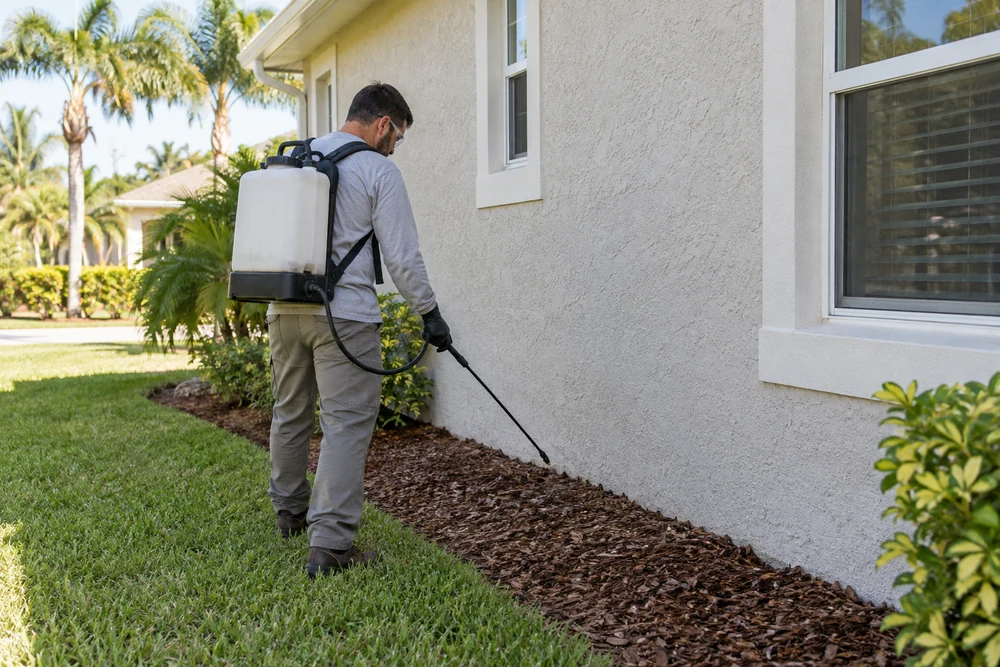
Pest control professional working along the foundation of a stucco Florida home

Roaches inside your Florida home?

Homeowners: call to talk about inspection and treatment options for your property.

Call 844-205-9446

Between visits

Small habits that help

Fix drips, store food in sealed containers, take out trash nightly, wipe up crumbs and grease, and reduce stored cardboard. Mention damp AC areas and outdoor entry points to the provider, too. These habits reduce resources and shelter, but are not a substitute for professional treatment of an infestation. Ask which changes matter for your home.

Different roaches, different patterns

Palmetto bugs or small kitchen roaches?

German cockroaches

Small, light brown roaches with two dark stripes behind the head. Often found around kitchens and bathrooms, they can establish indoors. Repeated small-roach sightings are useful information for the provider.

American roaches & palmetto bugs

American roaches are larger and reddish-brown. Palmetto bug is a nickname used for several large species. Where you see them and how often can help the provider distinguish outdoor entry from ongoing indoor activity.

Questions from Florida homeowners

Does it cost anything to call?

No, it's free to call. You'll talk about what you're seeing and get connected with an independent local provider. Any treatment pricing is discussed with the provider.

How much does cockroach treatment cost?

Ask the provider for pricing for your Florida home. The species, rooms involved, property layout and proposed follow-up can affect the quote. Describe indoor activity and any sightings around the garage or lanai so the conversation starts with your actual situation.

Are palmetto bugs the same as indoor roaches?

Palmetto bug is a common name for several large cockroach species, not one precise identification. Some mostly live outdoors; small German cockroaches commonly establish indoors. Tell the provider their size, where you find them and whether sightings are occasional or repeated.

What should I mention about children and pets?

Tell the provider before a visit about children, pets and anyone with particular sensitivities. Ask for their preparation instructions, precautions and any restrictions for treated areas. Follow the instructions for the specific work proposed rather than assuming every treatment has the same requirements.

How soon can a provider visit?

Ask about appointment options for your ZIP code. Coverage, scheduling and the service requested depend on the independent provider. A call lets you discuss the problem and timing before deciding whether to arrange service.

Will I need more than one visit?

It depends on the species, extent of activity, hiding places and treatment plan. Ask the provider whether follow-up is recommended, what it includes and how it is priced. Recurring sightings should be discussed with them rather than treated as proof that a particular approach has worked or failed.

Do I need to leave the house?

Ask the provider. Requirements depend on the treatment, areas involved and the instructions for that work. Before agreeing to service, discuss whether people or pets need to stay away from any areas and when those areas may be used again.

Can roaches come from neighbors?

They can move through connected spaces, including gaps around plumbing and shared walls in condos or attached homes. Tell the provider if activity is near a shared wall. As the homeowner, you may also need to discuss building-level issues with your condo association.

Who handles the inspection and treatment?

House Service Link connects homeowners seeking new service with independent pest-control providers where coverage is available. The provider handles inspection, treatment, pricing and service questions. Use the call to describe your home and decide whether the options discussed fit your needs.

Talk about what you’re seeing.

Florida homeowners: Start a conversation about treatment options.

Call 844-205-9446
Call 844-205-9446